Dopamin
overview
Dopamin is an independent design project co-created with Varun P. Shenoy. It translates brain science into a simple, interactive card game that allows players to experience the impact of their choices in real time. By turning habit-building into play, Dopamin makes mental health more approachable, memorable, and actionable. Our work was recognised with a DNA Paris Design Award.


year
2025
role
Research
Concept Design
Game Design
company
DNA Paris Award 2025
About Dopamin
Dopamin is a card game that helps players understand how everyday habits influence the brain. Turning brain science into play, it makes mental health conversations simple, engaging, and approachable.

Why Dopamin?
We often see people around us struggling with their mental health. While we want to support them, we don’t always understand what they’re going through—or what actually helps. This gap stayed with us.
It led us to a simple belief - If we understood our brains better, we could care for ourselves and each other a little better.
This became the starting point for Dopamin.
Dopamin is an ongoing exploration of how design and science can come together to make mental health more approachable. We’re excited to continue developing the game and hope to bring it to a wider audience soon. This journey has been deeply encouraging, and recognition from the DNA Paris Design Awards & Conference 2025 reinforces our commitment to creating meaningful, accessible experiences.
50%
of mental health conditions begin by age 18
1 in 7
adolescents experiences a mental health condition
Causal Loops
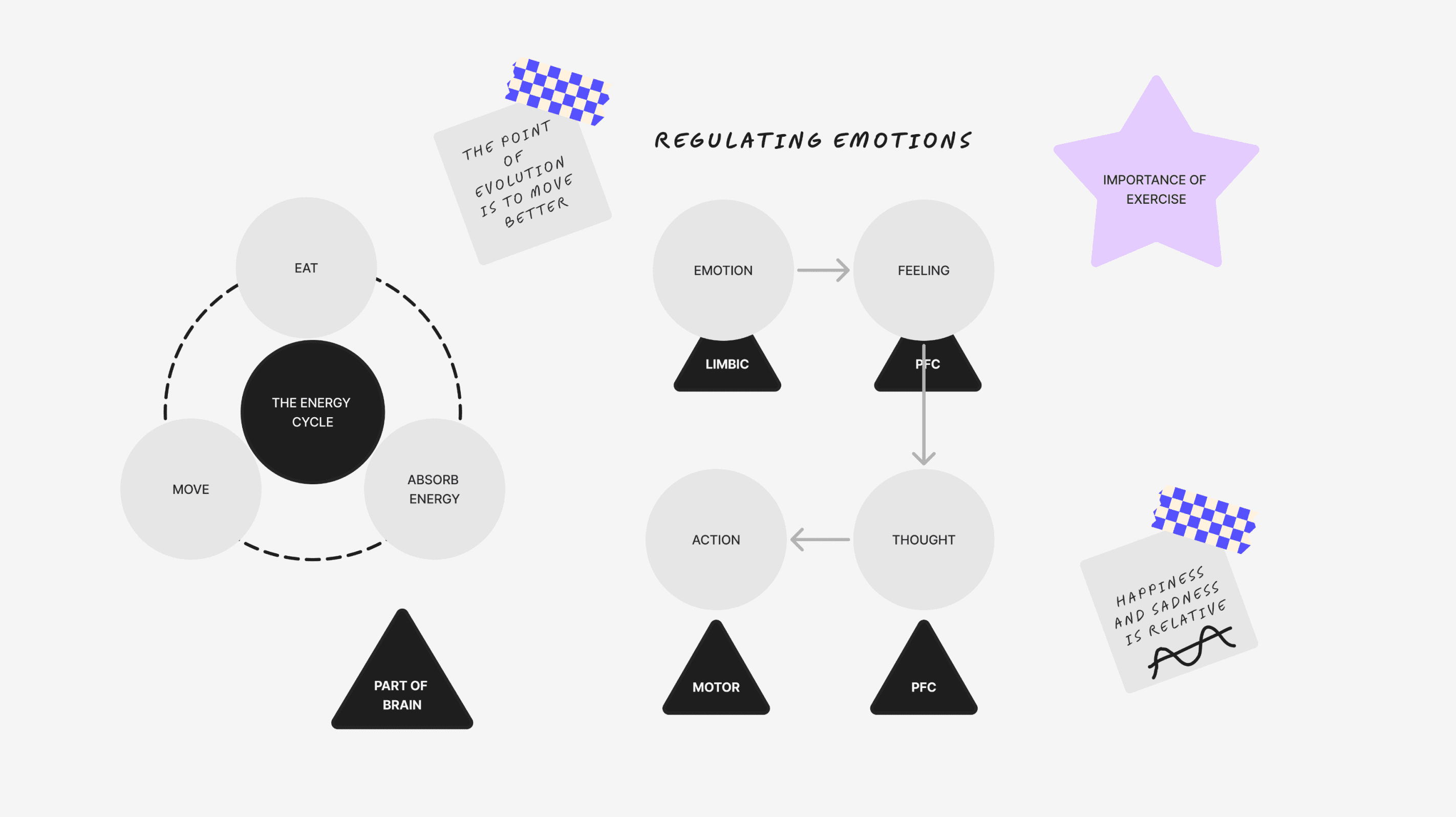
We began by exploring the neuroscience behind mental health and habit formation, with the aim of making these complex concepts more accessible. As we researched further, we started identifying patterns in how different regions of the brain interact to influence emotions, behaviours, and decision-making. We became particularly interested in the neural circuits involved in reward, motivation, and habit formation, and how these can reinforce repetitive behavioural loops. This led us to investigate how understanding these mechanisms could help us interrupt unhelpful patterns and encourage healthier behavioural responses.

Gamification
Gamification emerged as a powerful way to bridge this gap. By translating scientific concepts into a playful, experiential format, we aimed to create something that people could not only understand but also interact with, reflect on, and discuss together.
Players engage with systems that illustrate how nutrients contribute to dopamine production, how it is stored, and how everyday actions trigger its release across different regions. Along the way, they encounter key brain regions that influence mental and emotional well-being.


gauravilad.design@gmail.com
Bengaluru, Karnataka
@2026